 |
Preventing Iliopsoas Bursitis and TendonitisIt is always better to prevent iliopsoas tendonitis and/or bursitis rather than try to fix it after it happens, however that is not always the situation. In any case, there are a number of things you can do to keep yourself healthy and prevent further damage. 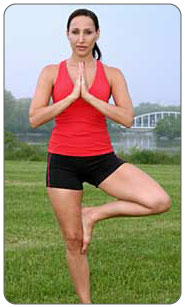 To stabilize your groin and pelvis area and increase your range of motion, maintain and build your core strength, stability and flexibility to keep your body strong and prevent further injuries. This involves balancing your front body muscles (abdominal, pelvic, groin, quadriceps, and hip) and your back body muscles (hamstrings, lower back, gluteal and hip muscles). Proprioceptive training (core balance training) and plyometrics (exercises to develop strength, speed and agility, such as jumping or bounding movements) are also an excellent addition to your exercise routine. Yoga, tai chi, or a daily stretching routine will help to keep your muscles and joints supple (avoid sudden twisting and turning motions). A regular exercise and/or cross-training program that focuses on total body fitness and includes low-impact aerobic activity at least 3 days per week, such as walking, inline skating, swimming or cycling, will help to keep you healthy overall and will strengthen your body to prevent against further iliopsoas injuries. Weight loss and/or weight maintenance, which involves eating a balanced diet full of protein, complex carbohydrates, fats, vitamins, minerals, phytochemicals and antioxidants. This will help support a healthy system and will help you to maintain your weight. If you gain just 10 pounds, your joints must bear from 25 up to 100 pounds extra, which can add unnecessary stress to your body. Limiting your caffeine, alcohol and nicotine consumption will also improve your health. Choose appropriate equipment and supports for your body type and size:
Avoid doing too much to soon to give your body an opportunity to build up its endurance, and to protect your soft tissue from injury and overuse. This is especially important when participating in a new activity. Gradually increase your participation to prevent over-straining your muscles and joints. Always warm up and cool down your muscles (especially your pelvis and groin muscles) before and after working them, and learn the proper form and techniques for your activity.  If you are suffering from groin pain, listen to your body and decrease, modify and/or avoid any activities or motions that cause pain and irritation (twisting, turning, kicking, lifting, running or walking on uneven terrain or uphill). Try to walk on softer surfaces such as cinder or grass, rather than pavement or muddy surfaces if going long distances, shorten your stride and decrease your speed. If you are required to perform these motions at work or play and cannot avoid them, make sure you take frequent breaks and rest to prevent fatigue and pain. It is important not to rush your recovery to prevent further damage. 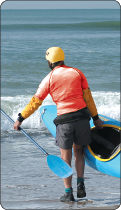 Circulation Boost can be utilized at home through the use of a TShellz® Circulatory Boost Wrap. If you have symptoms or are recovering from iliopsoas tendonitis or bursitis, using a Hip/Back TShellz Wrap® on a regular basis before your activity on your upper thigh and hip flexor muscles will increase elasticity of the tissues and prepare your muscles for action. This will help prevent strains and re-injury and as a whole give you a much greater chance at preventing the injury from worsening once again. if the TShellz Wrap sounds like an option for you, please speak with your physician about incorporating it into your treatment plan. If you suffer from mild inflammation or pain after certain activities or movements, rest then apply a cold compression wrap, and elevate your leg/hip. You can also use analgesic or anti-inflammatory medication for pain relief if required. If you have been given an iliopsoas bursitis/tendonitis treatment plan by your health professional, make sure you adhere to it to ensure pain free living. In general, people who are committed to their therapies and exercises will have the best medical outcomes.
Product Advisors are available 9:00 am to 5:00 pm Eastern Standard Time Monday to Friday. Learn More About Bursitis Injuries & TreatmentsI want to learn more about Post-Surgery Recovery I want to learn more about TShellz Wrap® Circulatory Boost I want to learn more about Ice & Heat: Which Is Better For Treatment? I want to learn more about Bursitis Treatments I want to learn more about Bursitis Surgery FREE SHIPPING ON ALL PRODUCTS CURRENTLY ENABLED | 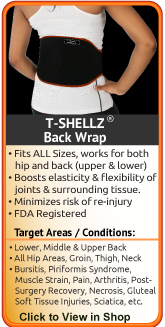 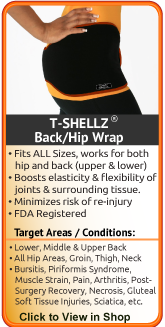     |