Iliopsoas Bursitis
Exercises & Stretches
Physical Therapy
Physical Therapy is a beneficial way to help reduce pain, restore weakened muscles, and improve groin, pelvis, hip and leg strength and mobility. The type of physical therapy and the duration will be dependent on the extent of your iliopsoas injury. Active release therapy (deep massage), acupuncture, massage or chiropractic sessions have also been known to reduce pain and improve muscle and bone alignment experienced with hip and groin pain.
Strengthening and Stretching Exercises
Once the pain from your iliopsoas tendinitis or bursitis starts to decrease, a physiotherapist can set up an individualized strengthening, endurance and stretching exercise program for you to improve the condition of your abdominal, pelvic, groin, hip, lower back, buttock and leg muscles.
It is important to strengthen and stretch these opposing muscle groups to add balance to your body and hold your pelvis in place, so your iliopsoas muscle doesn't pull on your pelvis and put it out of alignment. Your program will be based on your needs and abilities, and will help you return to performing your normal routines.
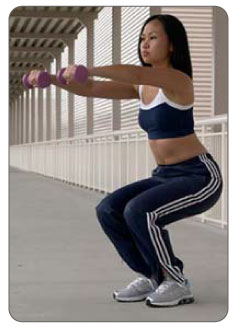
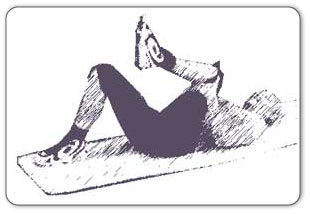
A gradual build-up to your regular activities is essential during your rehabilitation to restore strength, fitness and co-ordination. Generally you will start with passive range of motion (ROM) and isometric exercises (strength building exercises that involve contractions against resistance without movement of the joints) such as leg lifts, gentle squats, and light stretches on your back.
Once you complete these with minimal pain, you will be able to participate in more strengthening and stretching motions like sit-ups with legs raised, lunges, quadriceps "bow" stretches, exercise ball and band movements. Dynamic movements and strengthening activities like water exercises, stationary cycling, stair climbing, elliptical machine, walking and/or weight training will help to return your strength and endurance.
Stretching too soon may cause more aggravation and in turn, further injury. However, once you are ready, stretching will be essential to regain normal tissue flexibility and prevent against scar tissue development. It will also help to promote a neutral pelvic position and get rid of any strain on your iliopsoas muscle. It is also very important to stretch your knees as well as the muscle groups mentioned above.
Individuals will often exercise or lift weights on their own to try and build up their strength; however in doing so, they can do more damage. It is extremely important to restore your range of motion, and to strengthen and stretch your muscles properly as they may have weakened during the period of non-use. A personal trainer or physiotherapist will help to ensure your rehabilitation process is effective. For best, long-term results use Circulation Boost in conjunction with physical therapy and an exercise program.
Supports
To increase your comfort and prevent further damage you may want to use a groin and/or upper thigh support, such as a counterforce strap, brace or compression short which will help support the area. These can be used until your injury is gone or during contact/active sports for additional stability. However, they should not be worn at all times as they can limit muscle development, cut off circulation and impede healing of your muscle tissue.
Evaluate how you use your groin, stomach, hip and thigh muscles in daily activities and consider ways you can decrease stress on your iliopsoas muscle (i.e. eliminate sudden twisting and turning motions if possible). This may involve changing your technique and/or using correct or supportive equipment (proper shoes, mobility aids) to help you perform them more effectively and safely. When you return to training after several weeks, you should avoid the activities that provoked the problem and may have to seek advice regarding your running style. Taking more frequent breaks during your work or activities can also alleviate stress.
If you have been diagnosed with trochanteric bursitis, please read through our Illiopsoas Bursitis Treatments page. It is likely that you will notice a surprising change in your bursitis recovery if you choose to take conservative treatments seriously and treat yourself at home every single day. Almost all of our bursitis clients have experienced substantial benefits including significant pain reduction and a marked improvement in the range of motion in their hip. We of course guarantee that you will encounter the same benefit through our 60 day money-back return policy: if you use our products as instructed and do not experience improvement, return our product and we will give you your money back!
Product Advisors are available 9:00 am to 5:00 pm Eastern Standard Time Monday to Friday.
Learn More About Bursitis Injuries & TreatmentsI want to learn more about Post-Surgery Recovery I want to learn more about TShellz Wrap® Circulatory Boost I want to learn more about Ice & Heat: Which Is Better For Treatment? I want to learn more about Bursitis Treatments I want to learn more about Bursitis Surgery
FREE SHIPPING ON ALL PRODUCTS CURRENTLY ENABLED
60 DAY TRIAL PERIOD
During your recovery, you will probably have to modify and/or eliminate any activities that cause pain or discomfort at the location of your soft tissue injury until the pain and inflammation settle. The more diligent you are with your treatment and rehabilitation, the faster you will see successful results!
|