Iliopsoas Bursitis
The Iliopsoas Bursa is the Largest Bursa in the Body Each joint in the body has at least one bursa sac, and often many more. This sac acts as a slick cushion between bones and muscle, providing lubrication to reduce friction between tissues and bones as they move across each other.
You might be suffering from Iliopsoas hip bursitis if:
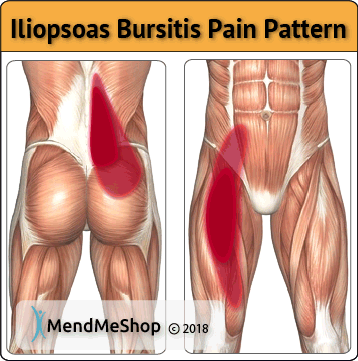
- You have sharp pain on the (left or right) front of your hip that can start in the side of the groin and extend down the thigh. You may also experience pain in the (left or right) upper buttock extending into the middle of the back.
- You have pain that is worse at night when you lie down.
- You have pain with walking for long periods, climbing stairs or squatting.
If any of those statements are true for you or you're suffering from on-going pain in your hip then you might have an injury called "Iliopsoas hip bursitis".
Many people don't know that chronic hip bursitis has put many sufferers into a wheelchair (chronic = long term, ongoing). The pain of an inflamed bursa can become extreme and it is wise to deal with it quickly. Bursitis of the hip can happen to anyone who regularly stresses the area with repetitive hip and leg movements whether it was due to job-related activity, sports activities, acute trauma to the hip or tissue weakness around the hip (usually due of aging).
Hip bursitis is one of those injuries that can really bring down the quality of your life. Anyone - young or old - can suffer from this injury, and if you're active this condition will keep you from doing the things you love to do. It will interrupt many of your normal daily tasks and make living life harder than it needs to be.
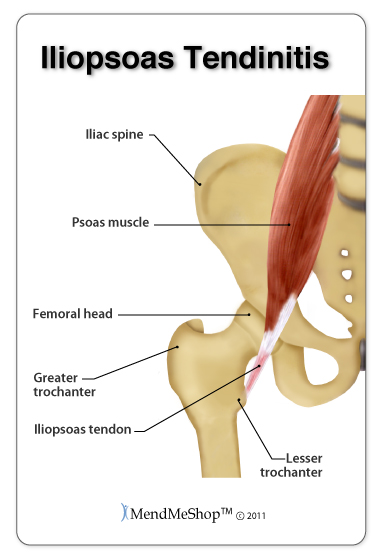
The Iliopsoas Bursa is the largest bursa in the body, and exists to help reduce rubbing between the iliopsoas muscle and the thigh bone. Although an uncommon injury, iliopsoas bursitis happens when this bursa becomes inflamed. Iliopsoas Tendinitis is usually happening at the same time as Iliopsoas Bursitis, as the inflammation of one will inevitably cause inflammation of the other. If you want to reduce the pain of such an injury, it is definitely in your best interest to treat both the tendinitis and the bursitis. We have home treatment devices that treat both and are proven to be very effective.
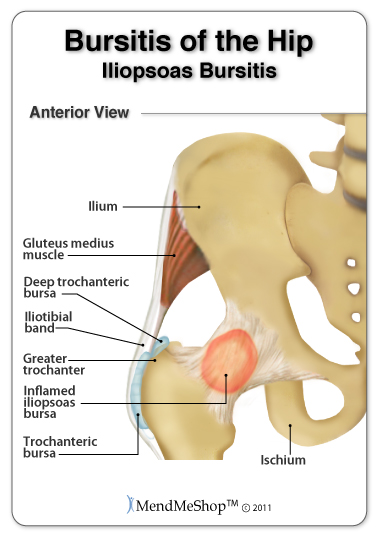 Your hip flexors are among the most powerful muscles and tendons in your body. They are made-up of; iliopsoas are deep set muscles at the front of your hip and the outer hip muscle (tensor fasciae latae), and rectus femoris and sartorius (they lie over top of the iliopsoas muscles in your front, upper thigh area). The hip flexors help you lift your upper leg to your torso or flex your torso towards your thigh as when sitting up from a lying down position). They help to externally rotate your spine and thigh bone, and also limit your hip extension when walking or running.
Iliopsoas Bursitis affects the bursa underneath the tendon of your iliopsoas muscle, which becomes inflamed and irritated when your iliopsoas muscle is overused.
What Causes Iliopsoas Hip Bursitis?
Iliopsoas bursitis is an overuse injury that results from overloading the hips with repetitive movements. This can lead to a strain of your iliopsoas muscle(s) and tendon.
People who participate in activities such as golf, hockey, cheer-leading, ballet dancing, rowing, gymnastics, and resistance training (sit-ups) are most susceptible to iliopsoas bursitis. This condition is more common in women than men, especially those who have loose ligaments.
Overuse of the Iliopsoas Muscle, changes in equipment or training terrain (mountain bike to road bike, road running to trail running) or changes in the intensity of your activity (increase running time or weight lifting poundage without proper preparation) can result in overexertion, which end in iliopsoas injuries.
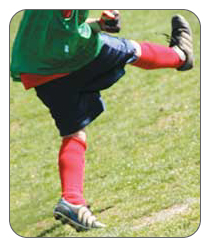
Overloading your muscles, tendons and ligaments in the hip with a few specific movements such standing and twisting at the waist without moving your feet or rotating your leg outward can cause iliopsoas injuries. Hurdlers, high jumpers, baseball, soccer players, or athletes who are at risk of getting tackled are prone to this type of injury. Others who participate in activities that involve uphill running and/or jumping, lots of kicking, weight training and heavy lifting (lots of bending and squatting) are also at risk.
Iliopsoas syndrome is caused from an abrupt contraction of your iliopsoas muscle, which results in a tear or rupture of your muscle (normally a partial tear where your muscle and tendon connect).
What are the Symptoms of Iliopsoas Hip Bursitis?
If you experience iliopsoas bursitis, or iliopsoas syndrome you may experience similar symptoms of inflammation in the tendon or bursa. Symptoms may also include pain, tenderness, swelling, heat or redness and loss of normal mobility.
Pain and tenderness are the most common symptoms and are experienced with iliopsoas bursitis. The pain is found deep in your groin and radiates around to the front of your hip or upper thigh area, and can follow the length of the tendon down toward your knee; it will often move into your lower back and buttock area as well.
Often the reason for the pain is known such as one specific event but sometimes there may be no major reason or injury that brings it on.
If you have iliopsoas bursitis you may experience a slow onset of pain and tenderness that builds up over a long period of time.
If you have iliopsoas syndrome, your pain and tenderness will be sudden and sharp.
Pain will generally be experienced for a short period of time during activities like jogging or kicking a ball. You may experience pain when getting up from a seated position, extending your leg while driving, walking up stairs, lifting something heavy or bringing your knee up to your chest (especially against resistance). You may notice that you find it difficult to lie down comfortably without support. Occasionally pain diminishes while in doing an activity, but it returns with a extreme pain when you stop your activity. Average time from initial onset of symptoms to diagnosis ranges generally between 32 and 41 months.
Weakness in your upper thigh/hip area especially when lifting up your knee which results in a limp when walking or running are common with hip bursitis.
Hip stiffness and tightness in groin as well as the knee, can result from a tight iliopsoas muscle. Swelling and increasing amounts of fluid in the bursa can cause added pressure and increased pain and may be accompanied by redness and warmth in the groin.
You may experience clicking, snapping and/or popping hip sounds (crepitus) in your hip. Along with an inflamed iliopsoas bursa or snapping hip syndrome caused by your iliopsoas tendon catching on your pelvis when your hip is flexed. This will also occur with a severe or complete iliopsoas tear. If you have a complete tear it will generally prevent you from walking upstairs.
How do I Diagnose Iliopsoas Bursitis?
Diagnosing iliopsoas bursitis can be difficult as many conditions (iliopsoas tendinitis, hip flexor muscle strain, iliofemoral ligament sprain, etc.) have bursitis-like symptoms. Your doctor will need to narrow down the possibility by run tests to determine if your pain is caused by bursitis or by muscle or joint injury, local bleeding, synovitis, arthritis, tendonitis, cellulitis or a number of other conditions.
You will generally be asked to complete a series of movements to measure your active (performed by you) and passive (performed by your examiner) range of motion. These movements will test any possible, as well as your leg/hip strength, joint stability, and location of tenderness. If you feel sharp pain with both of these motions you may have hip bursitis and/or other related conditions.
In order to rule out other conditions your doctor may recommend blood tests, an x-ray or MRI to investigate your bone structure and/or to examine the soft tissues and fluid in your hip.
Fluid Removal - Your doctor may aspirate (use a needle) to remove fluid from the bursa to check for possible staphylococcus epidermis (or staphylococcus aureus) bacterial infection. The knee and elbow tend to be the joints most prone to septic (infectious) bursitis. If infection is detected you will be prescribed an antibiotic to treat it.
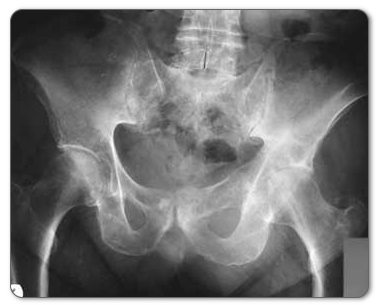
X-rays - X-rays will provide a two-dimensional image of the overall structure of your pelvis. Although bursitis cannot be diagnosed from an X-ray, they are helpful in identifying other possible causes of pain and/or ruling out other conditions.
Some other possible causes of pain that an x-ray can identify include instability, abnormal bone shapes (bone spurs or bone cysts), wear and tear on the joints, avulsion fractures (when a fragment of bone tears away from the main bone along with the muscle, tendon, or ligament as a result of trauma), dislocations, arthritis, calcium deposits in the bursa or joint, and/or other problems.
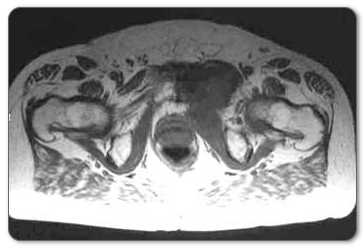
MRI and CT Scans - You doctor may also order an MRI (magnetic resonance imaging) or a CT (computed tomography) scan for more detailed information to help evaluate the soft tissues (bursa, muscles, tendons, ligaments, fascia, and other connective tissues) in and around your hip joint. They will show fluid next to the muscle, and may identify bursitis, tendinitis, inflammation, tears and other associated conditions.
Diagnostic Ultrasound - Ultrasonography can confirm diagnosis and show tissue tears or thickened tendons. It is good for identifying bursitis and excessive fluid in bursa, and/or ruling out other causes of pain.
Are You Sure It's Iliopsoas Bursitis?
It is possible for you to suffer anyone of the below secondary condition and bursitis at the same time. This occurs when the bursa's outer lining, called a synovial membrane, becomes inflamed and irritated.
Pain, swelling and inflammation in your hip could mean that you have hip bursitis. It's also important to consider that there are other conditions that might cause pain in your hip as well. You hip is a complicated joint with 5 bones, 17 muscles, numerous tendons, ligaments and bursae connecting your leg bone (femur), pelvis and spine all together. With so many connections of tissue to the bone it's easy to see why any pain in the hip can be bursitis or some other injury in the same area. It is common to have bursitis AND another hip condition at the same time.
The only way you can know for sure whether you have hip bursitis is if you get a proper diagnosis for the condition by your doctor. Some other related hip injuries include:
- Iliopsoas Tendonitis involves inflammation and irritation of your iliopsoas tendon and the area surrounding your tendon. Overuse and repetitive activities cause small micro-tears to the iliopsoas tendon tissue.
Iliopsoas bursitis and iliopsoas tendinitis are similar and often occur at the same time as inflammation of the tendon often causes inflammation of the bursa and vice versa. Both of these conditions have similar symptoms but are less common than other groin strains.
- Iliopsoas Syndrome refers to a stretch, tear or complete rupture of your iliopsoas muscle and tendon where the tendon attaches to your thigh bone. This condition is frequently experienced along with iliopsoas bursitis. Although ruptures do happen, it is rare for your iliopsoas muscle-tendon to rupture completely. A damaged or swollen iliopsoas tendon will typically cause added friction on on the iliopsoas bursa sac, inciting inflammation and pain on the bursa.
- Crystal Deposits in the Joint - Rheumatoid arthritis or gout can cause iliopsoas bursitis. Some people with diseases such as rheumatoid arthritis, gout or scleroderma may contract bursitis from crystalline deposits in the joints. Although not much is known about how this process happens, it is common knowledge that uric acid is a normal byproduct of daily metabolism. If you have gout, you are unable to break down this uric acid properly, leading to crystallisation of this excess acid which gets deposited in joints. These crystals will cause joint pain that can often lead to bursitis.
- Excessive Friction - Iliopsoas bursitis and iliopsoas tendonitis are often caused by excessive rubbing against a broad, shallow groove over which your iliacus and psoas major (muscles) pass (the pubic iliopectineal eminence). The tendon may first become irritated and inflamed, leading to swelling; this swelling will increase friction on the iliopsoas bursa underneath.
- Leg Length Discrepancy may result in a skewed gait (abnormalities in the way you walk) which can cause more pressure on the iliopsoas bursa than usual. In addition, age and degeneration of soft tissue often causes a decrease in your tendon flexibility which can change and/or alter movement in your hip joint, leading to excess friction on the tendon and bursa.
Iliopsoas tendinitis and/or bursitis are common during growth spurts when you are younger because your biomechanics are altered around the hip area. As tendons and muscles in the area get tight, the pelvis begins to tilt, and the rest of the lower body goes out of alignment. This can affect the lower back, hip joints, knees and your gait which can result in lower body joint issues.
- Hip Tendonitis - is a condition where you experience pain, swelling and inflammation from damage or micro-tearing of one or more of the tendons in your hip. The tendons in your hip connect muscle to bone and when these tendons are injured they usually cause pain and tenderness at the front, side and back of your hip, and even into your buttocks as well. If you have hip tendonitis, you could be suffering from different kinds of tendonitis including iliotibial band (IT band) tendonitis, gluteus medius tendonitis, or hip flexor tendonitis (iliacus tendonitis or iliopsoas tendonitis).
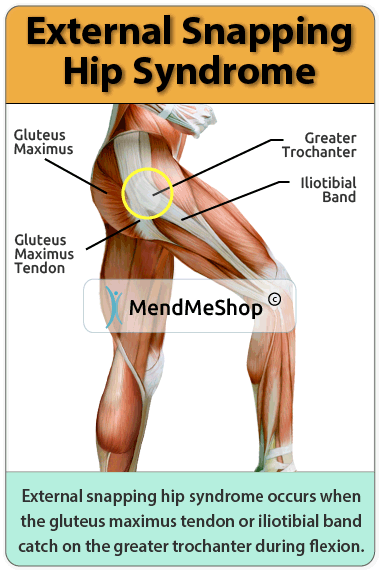 - Snapping Hip Syndrome - Snapping hip syndrome is when you feel a snapping sensation or hear a popping sound in your hip when you walk, get up from a chair or swing you leg around. This feeling and/or sound is made by a tendon in your hip as it moves over a bony bump. Most of the time this is more annoying than painful - however, long-term snapping/popping can lead to hip bursitis, a condition that is very painful.
- Greater Trochanteric Pain Syndrome - (GTPS) causes chronic pain on the side of the hip. Symptoms of GTPS include constant pain in the side hip that travels along the whole side of the thigh to the knee and occasionally below the knee and/or buttock. If you have this condition you will probably feel very specific point tenderness on the side of the hip.
- Hip Arthritis - hip joint pain and can be described as a dull aching pain in the groin, outer thigh, or buttocks. You may feel more pain in the morning that could worsen as the day continues but generally lessens as you get more active. Doing anything vigorous can result in pain, stiffness and may limit your movements or make walking difficult. Arthritis means inflammation of a joint and there are a number of types of arthritis of the hip - including:
- Osteoarthritis - the inflammation happens as the smooth covering (articular cartilage) on the ends of bones wears away.
- Rheumatoid Arthritis - an immune system disease that usually affects multiple joints on both sides of the body at the same time.
- Ankylosing Spondylitis - a chronic inflammation of the spine and the point where the spine meets the pelvic bone (sacroiliac joint) that can also cause inflammation in other joints
- Systemic Lupus Erythematosus - an autoimmune disease in which the body harms its own healthy tissues
- Labral Tear - The labrum is the cartilage that surrounds the hip joint. If you have a tear in your labrum you may feel a catching sensation and pain in the hip joint and/or groin as well as stiffness and limited range of motion of the hip. Any changes or abnormalities in the physical structure of the hip can lead to a tear in the labrum cartilage.
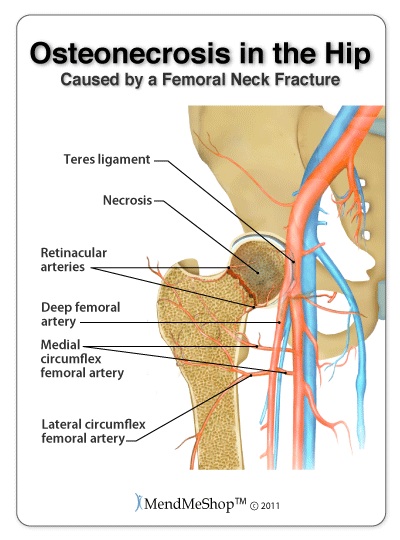 - Osteonecrosis - A disease that affects blood flow to an area of bone. This lack of blood flow to the bone in the hip joint causes tissue to die inside the bone and the bone may eventually collapse. Osteonecrosis is a condition that develops in stages, general hip pain is usually felt first that may progress to a dull ache or throbbing pain in the groin or buttock area. If you have this condition you may also have more pain and find it difficult to stand and put weight on you hip. Moving your hip joint will also be painful. These stages can last anywhere from several months to over a year. Early diagnosis of this disease provides a much better outcome with consistent, proper treatment.
- Fractured Hip - Degenerative hip fractures are most common in elderly patients with osteoporosis. Treatment of broken hips requires surgery to either replace the broken portion or repair it with a metal plate and screws. Stress fractures of the hip are most common in athletes who participate in high-impact sports, such as long distance runners. Treatment of stress fractures is usually successful as long as the patient discontinues their high impact activities.
Of all sports injuries that occur, hip and pelvic injuries account for 2-5% of the total. The most common hip & pelvic injuries that happen are muscle and tendon related (musculotendinous injuries), with most of the injuries occurring at the top of the femur (around the lesser trochanter and tendon of the iliopsoas). Iliopsoas tendinitis and iliopsoas bursitis are in the top 5 most common hip injures, yet iliopsoas injuries are poorly recognized/diagnosed as a cause of hip and groin pain.
Conditions and symptoms related to iliopsoas bursitis are snapping hip syndrome, trochanteric bursitis, torn hip labrum, neuromyofascial tightness, iliopsoas tendinopathy, lumbar spine abnormalities, iliopsoas syndrome, iliopsoas tendinitis, inflammation of the tendon, anterior hip pain, groin pain, rheumatoid arthritis, hip fractures, hip overuse syndrome, lumbosacral injuries, osteitis pubis or a groin injury.
Iliopsoas Bursitis Home Remedy Options
The good news is that most cases of hip bursitis will heal with simple home conservative treatments and surgery is often not needed!
To Start Recovery, Re-injury of Hip Tendons,
Ligaments and Bursae Must be Avoided!
First you need to stop the activity that is causing your pain and rest your hip. Focus on treating the symptoms of your bursitis and any other soft tissue injuries you may have in your hip. Make sure to completely reduce inflammation, tenderness and swelling-induced pain first before switching to a goal of healing your bursitis injury.
If you are suffering from an iliopsoas hip injury should want to minimize their chance of worsening the injury, or re-injuring it once it has started to get better. Obviously, a worsening injury will delay the healing process, but what's worse is that every re-injury and additional healing cycle increases the amount of time that your joint is immobilized. Time is not kind on an immobilized joint - you lose strength in the joint but worse than that, you lose the range of motion in your joint via atrophy (your flexible tendons, muscles and ligaments slowly shrink, decreasing joint elasticity). The more time that goes by with an immobile joint, the more likely you will wind up with a chronic joint problem (long term injury with persistent flare-ups). Basically it means that your hip joint will not perform as well as it once did and it becomes more prone to injury again later on.
If you have hip bursitis or hip tendinitis, it's very important to heal it quickly and completely. Minimizing the healing time of your hip should be an obvious goal, as a serious hip injury will assuredly limit your ability to go about your daily routine.
Typical Conservative Treatment Options
for Iliopsoas Bursitis
For non-infectious bursitis, the treatment starts with non-operative options such as
RICE (Rest, Ice, Compression, Elevation) has been recommended for years by doctors, trainers, and other medical professionals to treat the pain and swelling, chronic pain from injury and after any re-injury. Bursitis injuries need rest and time for the tissue to heal. If your bursitis is caused by an infection (septic bursitis), the doctor will probably drain the bursa sac with a needle and prescribe antibiotics to treat the infection. Note that a septic bursa can quickly become life threatening - this is a major reason why you should get to a doctor for diagnosis asap if you haven't already done so.
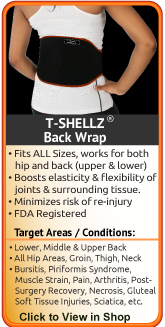
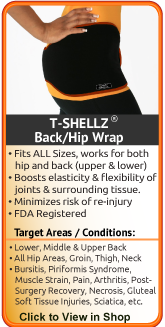
Right now, there are thousands of doctors and physical therapists dealing with patients that require a solution to treat their iliopsoas bursitis fast and heal it (where possible). If you want to be proactive about properly addressing your iliopsoas bursitis, speak to your doctor about using the Back-Hip TShellz Wrap® as a part of your home treatment protocol.
The good news is that most cases of iliopsoas bursitis will heal with simple home conservative treatments and surgery is often not needed
It's generally understood by doctors and surgeons that surgery will introduce more scar tissue into the tendons and ligaments in your hip. This added scar tissue will be problematic, requiring visits to the physio clinic and conservative treatment options post-surgery. When it comes to iliopsoas bursitis there's only a few surgical options for treatment - removal of the bursa sac, scraping of the bone(s) to allow more room for the new bursa to grow back. This is why surgery is only performed as a last resort for chronic hip bursitis that won't heal with conservative treatment methods.
Some conservative treatment methods recommended include:
- Rest - This is important for initial recovery; rest and elevation will help reduce pain, swelling and inflammation in the early stages of injury. This can be difficult when you have to carry on with daily activities, but resting and elevating your hip whenever you can is recommended. During your recovery you will probably have to modify or avoid the activities that put stress on your hip until your pain and inflammation settles. However, too much rest can also be harmful, as knee and hip immobility can actually cause stiffening in the joints. This is why rest should be used when reducing initial pain and swelling, but should not be considered for more long-term conservative treatment.
- Avoid Activities that Caused Your Hip Injury - While resting your hip it's also important to avoid all activities that may have caused your iliopsoas bursitis, including any repetitive hip or leg movement. Continuing on with regular activities can increase the severity of bursitis, turning a mild to moderate case of injury into serious damage or leading to injuries in other areas due to overcompensation.
- Apply a Cold Compress or Ice Pack for Inflammation - Immediate cold at the onset of your injury (or during flareups) will help you combat the pain and inflammation of bursitis and tendinitis. Immediate pain relief and reduced inflammation can also relieve some of the pressure that's being placed on soft tissue in the hip (impingement) and stop your injury from getting worse.
- Use a Back/Hip TShellz Wrap® - Once swelling has been reduced, you can use your own blood flow to maximize your rehabilitation. Improved blood flow to your hip in most cases will help improve recovery time while improving overall health of tissue in the area. Promoting blood flow and heat to the treatment area in the hip will help to minimize the growth of scar tissue, increase flexibility and help prevent atrophy.
- Rehabilitative Stretching under supervision of a PT or doctor. The intent of this is to provide you with increased range of motion, pain relief and strengthening of the surrounding tissue of the joint. Doctors or surgeons typically won't perform a surgery until they feel that their patient has put effort into treating their injury with conservative treatment methods. This may include up to 4 to 6 months of visits to a PT clinic. If you haven't experienced any improvement in your condition during that time then surgery may be considered. Agressive PT approaches may focus on forced or manual manipulation of the hip - this means your physical therapists will be trying to move your leg past the point of comfort as they strive to increase range of motion and prevent further atrophy.
- Stretching - Stretching your joint in PT and at home will help you to regain your range of motion much faster than not stretching at all. Stretching in many ways is key maintaining good Range of Motion (ROM) in your joint, and stretching can be made much easier with use of a TShellz Wrap® before to warm up soft tissue, and a Cold Compress or Ice Pack treatment after to prevent any return of swelling and inflammation.
Stage 1: If the hip injury is very recent - use a good quality cold pack and Arnica Pain Relief Cream. If the injury has been going on for awhile, then skip to Stage 2 below.
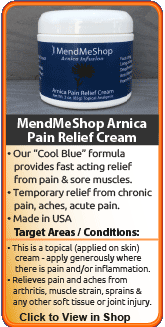
Recommendation 1: If you are experiencing pain and swelling in the very early stages of the injury (first 48 to 72 hours), the first step in a conservative treatment protocol would be to focus on reducing the discomfort by applying a quality cold pack to the injured hip along with a high quality pain relief cream such as our Arnica Infusion Cream.
Note: If you are suffering from a bursitis and/or tendinitis injury that has been going on for awhile, you may not need much cold treatment as inflammation may be minimal. Anytime you are experiencing significant pain, you may find our Arnica Infusion Pain Relief Cream to be quite helpful.
If you are experiencing pain and swelling in the very early stages of the injury (first 48 to 72 hours), the first step in a conservative treatment protocol would be to focus on reducing the discomfort by applying a quality cold pack to the injured hip along with a high quality pain relief cream such as our Arnica Infusion Cream.
Not only will you use your cold pack for the first 48 to 72 hours after the injury, but you should also use it during other stages of the healing process. Some examples include...
- after any activity that stresses the hip in a moderate way. It is wise to quickly apply cold to not only reduce the pain, but to also minimize tissue damage that may have occurred during the prior event.
- If you have a job that requires you to place some demands on your injured hip. If that is the case, use cold immediately following work and if the opportunity allows - use it for 15 to 20 minutes during lunch or another break time.
- If you are in a post-operative situation where cold compression would be utilized heavily for at least the first few weeks following the procedure. Similarly, if you are scheduled for upcoming surgery, then your doctor or surgeon might recommend undertaking cold before the surgery.
Having a Cold Compress or Ice Pack available at home to use if and when the need arises is helpful. Many of you already do so.
However, too many people over-focus on cold while ignoring the most critical aspect to healing - nourishing the injured tissues with a healthy supply of blood flow needed to repair and rebuild the injured tissues.
This leads to the most important recommendation...
Stage 2: Focus on Increasing Blood Flow To Injured Soft Tissue - As This is The ONLY Way It Will Heal For the Long-Term
Even though the concept is simple, improving blood flow to injured soft tissue in the hip can be difficult. Traditional methods require your joint to move to promote blood flow (exercise), but that same motion that promotes blood flow can at times lead to making your pain and condition worse - exacerbating your bursitis.
- Have you re-injured your hip by returning to work too quickly?
- How many times in the past have you aggravated your hip just trying to perform basic tasks around the home?
- Is your debilitated hip preventing you from work or activities you love to do?
Most people we deal with tell us these scenarios have happened to them many times in the past. Perhaps it has already happened to you.
Promoting blood flow within a muscle or soft tissue injury (such as bursitis) to help the body heal itself is a concept that has been utilized for centuries. This is where the focus has to be if you are seeking long-term improvement.
Oxygen and nutrients, carried within the blood, are critical for the body to heal itself. Without proper blood flow, recovering from an injury or condition will be delayed...sometimes for a very long period of time.
The real challenge is how do you promote blood flow to the hip injury site without causing further injury? This goal is further complicated by the fact the hip (and muscles controlling the hip joint) are involved in the majority of the physical movements we perform each day. Back, upper leg and hip pain can be interconnected and are often experienced in conjunction with one another. Many of the muscles that surround the hips are connected to muscles in the lower back, which in turn connect to the hamstring and elsewhere in the body.
An injury to one of these regions usually leads to straining in other areas, making an overall recovery hard to initiate. People tend to "chase the pain", meaning they only focus on treating an area that is actively painful, while not taking into account the fact they other areas of the body will be overcompensating...eventually leading to issues in those areas as well.
In order to provide long lasting relief from your hip pain, you need to identify all the factors that are contributing to it. These factors can include muscle imbalances, short leg syndrome, herniated discs, trauma and tightness to surrounding muscle and soft tissue, etc. The list is certainly significant and it can be frustrating for people who may have no idea where to begin.
TShellz Wrap® = Accelerated Recovery Power for Iliopsoas Bursitis
Who Should Use the Back/Hip TShellz Wrap®
We recommend the use of a Back/Hip TShellz Wrap®:
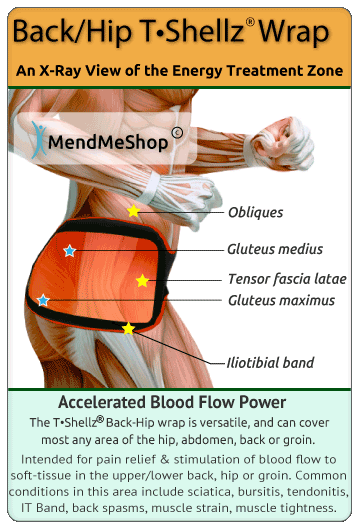
- If you have bursitis, tendinitis or other soft tissue damage in your hip (or back), then the TShellz Wrap® will provide the all-important function of boosting blood circulation where it is needed most.
- If you are dealing with soft tissue conditions affecting your range of motion.
- If you have a chronic soft tissue hip condition that has lasted for years- this device is intended to kick start the recovery process and help strengthen the surrounding and supporting tissues.
- If you are still working with a hip strain or mild tear, the TShellz Wrap® will help relax tissue in the hip prior to work and after a day at the job.
- If you are still trying to enjoy your favorite activities such as gardening, tennis, golf, etc - use the TShellz Wrap® prior to activity to help reduce risk of re-injuring or re-aggravating those targeted tissues.
- If you are suffering from bursitis and want to treat a major source of it (inflammation and damage to tissue surrounding the bursa sac). Through trauma, overuse or degenerative changes, muscle and tendons surrounding the bursa sacs will tighten and constrict. When they do, they place pressure on the bursa, causing it to become irritated. Applying a TShellz Wrap® to the area will help relax tissue in the treatment area, taking pressure off the bursa.
- If you are experiencing atrophy in the hip area and want to reduce the chance of re-injury while stretching - this is a perfect treatment to use before activity, by enhancing blood flow and elongating soft tissue.
- If you have been to a clinic for some form of massage or stretching and your PT or physician has recommended conservative treatments for home.
- If you are experiencing tightness in your muscle(s) and want to reduce the chance of re-injury while stretching - we recommend the use of a TShellz Wrap® before you stretch.
In examining thousands of pages of research, we can conclude that the TShellz Wrap® should produce the following results:
Effectively helps to enhance blood circulation and
increase the levels of oxygen within your blood.
This, in turn, improves immune system function which increases the body's ability to eliminate toxins and other waste by-products resulting from damaged tissue within the hip. This allows the hip to more easily stimulate the self healing process.
Stimulates the production of collagen,
which is a building block for human tissue.
Many hip injuries are the result of trauma to a tendon or muscle, usually causing the tissue to tear. As a result of the tear, your body triggers a natural healing process resulting in pain, inflammation, and the creation of scar tissue, then eventually reinforcing that band-aid solution with flexible tissue (proliferation). Increased blood flow will make this process more quick and efficient in the majority of cases.
Heat will enhance the extensibility of damaged (& surrounding) tissue
This is a very important point. Many people with hip conditions often re-injure their hip due to the fact the damaged muscle or soft tissue is tight and the range of motion of the hip is restricted. Even the most minor of activities can cause a recovering hip to strain, sprain, or even tear. Every time this happens, your recovery is delayed. This is why using the TShellz Wrap® not only now, but also into the future, is wise. Heat energy emitted from the TShellz Wrap® is absorbed by tissue, gently warming it, and thereby increasing the elasticity...all without risk of causing further harm and greatly reducing your chances of re-injury.
Reduces stiffness in the hip joints.
Osteoarthritis in the hip occurs when the articular cartilage begins to degenerate. Over time, the femur (upper leg bone) rubs against the pelvis with little or no protection from the articular cartilage. This lead to pain in the hip joint. The space within the joint starts to decrease without the cushioning and stiffness in the hip becomes a problem. The TShellz Wrap® excels at emitting a soothing heat, allowing for less stiffness and better range-of-motion. It obviously won't fix arthritis, but it will alleviate the symptoms and perhaps reduce your risk of secondary strain injuries by improving tissue flexibility in the area.
Contributes to your overall well-being.
Use the TShellz Wrap® before activity to reduce risk of further injury, before bed to prevent tightness from setting in during the night, and again in the morning to make your tired body come alive.
Believe me when I say this; words alone cannot accurately describe what the TShellz Wrap® can do for you. It truly is something you need to experience first-hand.
Increased Blood Circulation = Increased Healing Capability
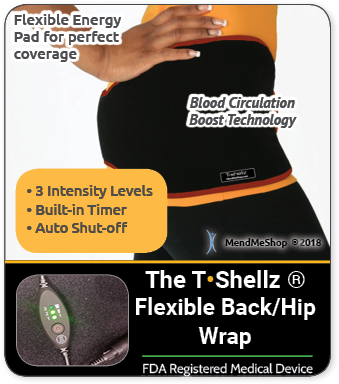
TShellz Wraps® contain a unique Carbon Fiber Energy Pad which is flexible and will shape to conform to your body. This Energy Pad emits a uniform wave of perfectly safe energy over its entire surface. This energy is absorbed by soft tissue in the treatment area, opening blood vessels, resulting in an increase in blood flow. Increased blood circulation is what your body needs to maximize its cabability of healing soft tissue and this is why we recommend the TShellz Wrap®.
The Back/Hip TShellz Wrap® is an FDA Registered Medical Device and is suitable for use in therapeutic clinics and FROM HOME. It is completely safe for people and patients to use for themselves.
The technology found in a TShellz Wrap® has been used for decades in the worlds of professional and amateur sports - a contributing factor as to why athletes seem to recover from injuries so quickly.
Have you ever wondered by an athlete can return to activity after 4 or 5 weeks following a hip injury - while your average person takes much longer to return back to normal? The secret isn't really that much of a secret - it involves consistent treatments (meaning multiple times a day) using a treatment like the TShellz Wrap® to stimulate blood flow to the injured tissues. Most athletes have the luxury of using in-house facilities many times per day.
How many us can afford the time and money to visit a clinic multiple times a day? Very few indeed. This is how you can gain some of the advantages that athletes enjoy in their injury recovery - by using a device like the Back/Hip TShellz Wrap® two or three times a day on a consistent basis.
Consistent Treatments = Consistent And Long Term Improvement
What Else Makes the Back/Hip TShellz Wrap® So Special?
We believe the TShellz Wrap® to be one of the most effective home treatments to increase localized blood flow to soft tissue in and around the treatment area.
We can promise that you will receive a product that is designed to be safe and does what it is supposed to do... reduce pain (as stated in "Therapeutic Heat and Cold", 4th edition. - Ed. Justus F. Lehmann, M.D., Williams, and Wilkin) temporarily increase length & flexibility of soft tissue (as stated in "Therapeutic Heat and Cold", 4th edition. - Ed. Justus F. Lehmann, M.D., Williams, and Wilkin) and aid your body in recovering from tendon, muscle and other soft tissue injuries via enhanced blood flow.
The unit plugs into a standard wall outlet to get its power. The nice thing about the power supply is that the same unit can be used in North America and overseas as well. It has the capability to operate between 110v and 230v.
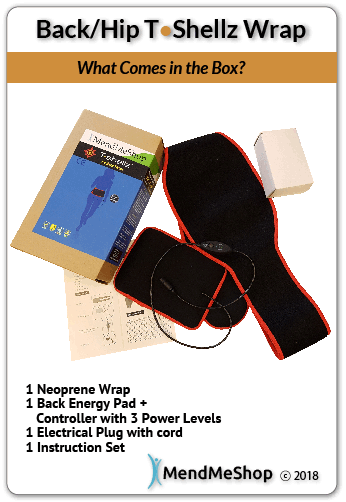
The TShellz Wrap® has a special signal controller that can be set for 3 different power levels of application (3=High, 2=Medium, 1=Low). The cord is long enough that you can sit or lie comfortably and watch TV, read or surf the net while you're using it.
Treatments are max 30 minutes in duration and the device can be worn over clothing. This allows you to use the device at work, at home, or really anywhere you have access to an electrical outlet.
When Should I Use My TShellz Wrap During the Day?
The most common question we receive from individuals prior to purchasing is - how many times a day should I be using my hip wraps and when should I be using them? While treatment plans will differ for each individual and their specific injury, there are general guidelines that should be adhered to.
- Use a Cold Compress or Ice Pack when you are experiencing inflammation (usually after exertion or movement of the injury area).
The Hip TShellz Wrap® would then be used:
- Right after rising from bed in the morning (as this is when it is most stiff)
- Prior to going to bed at night (to relax the hip, allowing for better sleep)
- Before you know you will be using your injured joint (going to work, driving, typing, etc).
Click HERE to Go To Our Online Store If you have questions, call our office at 1-866-237-9608 (toll free continental US).
Stage 3 - In Between Treatments With TShellz Wrap®, Apply Our New Fast Acting Pain Relief Cream Called ARNICA INFUSION
Dealing with aches and pains affecting the foot, ankle, leg, knee, hamstring, hip, back, arm, shoulder, elbow, wrist, or hand? If so, then applying the Arnica Infusion to any of these targeted areas will bring about fast relief from the pain and sore tissues. Simply apply a small amount of cream to the body and moments later, you will experience a soothing and comforting sensation over the area.
Arnica Infusion is specially designed to relieve pain due to sore muscles and joints associated with arthritis, backaches, sprains, strains, and bruises. No matter if you are dealing with an acute injury, chronic pain, or a general "flare-up" - you will experience fast relief from pain and inflammation.
This is a product that many of our current MendMeShop customers asked us to develop. So we focused our time and resources over the past few years and came up, with we believe, will be one of more effective, fast acting, topical pain relief creams on the market.
You are likely familiar with some of the standard topical agents on the market as most of our customers use them. The are mass marketed and even found in most department stores now.
Well, we are here to say that Arnica Infusion goes many steps beyond what they offer.
Made in the USA at an FDA registered manufacturing facility, you can be assured that Arnica Infusion is both safe and effective. We only source top grade ingredients while implementing strict quality control checks during every step of the production process. Expect the same high quality that MendMeShop customers have been accustomed to since we started the company in 2005.
The "Cool Blue" formula is the perfect balance between the smooth application of a cream and the effective absorbing factor of a gel. It is not too thick and not too thin - just the right texture. Best of all, it feels very nice on the skin!
Each application of Arnica Infusion feels so comforting and soothing, we are certain it will become an item you will not want to live without.
Arnica Infusion Ingredients
The Arnica Infusion formula is based on a combination of scientific research and the use of high quality ingredients. The properties within the formula were chosen for their pain relief, anti-inflammatory, and soothing qualities.
The acting ingredients within the formula include ones many of us are familiar with; along with ones that have not received a lot of publicity (only in research circles). Extensive testing resulted in a blending of ingredients that provides the most synergistic of benefits.
The notable ingredients in the Arnica Infusion formula include:
- Arnica - powerful anti-inflammatory, speeds recovery, enhances circulation
- Menthol - provides deep penetrating pain relief with a nice cooling sensation
- Vitamin B6 - promotes normal nerve function
- MSM - supports healthy connective tissues, anti-inflammatory
- Ilex Leaf Extract - increases circulation, skin conditioner
- Vitamin E - anti-inflammatory, enhances circulation, hydrates the skin
- Aloe - anti-inflammatory properties, soothes the skin
- Tea Tree - enhances penetration of ingredients
Extensive quality control procedures during the manufacturing process ensure the ingredients and final product are both safe and effective. We would not stake our reputation on anything but the best.
When Do I Apply the Arnica Infusion?
While At Work
Apply Arnica Infusion at work to help reduce acute discomfort associated with overuse of muscles and joints. No matter if you are in a physical demanding job or work within an office environment, you will be placing stress on different parts of the body and aches and pains will result.
Before Or After Work, Sports, & Activity
If you suffer from a sprained ligament, pulled muscle, strained tendon, or even bruising - apply Arnica Infusion for quick relief of the pain.
Chronic Pain Suffering
Application of Arnica Infusion can be done up to a maximum of 4 times per day on a consistent basis to help bring about relief from various pains and aches.
In-between Treatments With the TShellz Wraps®
Follow up your T-Shellz and Cold treatments with an application of Arnica Infusion. Combine the pain relieving benefits of Arnica Infusion along with the healing benefits of the wraps to make your recovery go much more smoothly.
Do not apply Arnica Infusion within a 2 hour timespan before a TShellz Wrap® treatment.
Whether you decide to use the Arnica Infusion in conjunction with the TShellz Wrap® and other treatments - or if you decide to use the cream as a stand-alone product - you will not be disappointed with the results. We guarantee it.
A Note On OverCompensation
Since you are reading this, you probably know that serious hip injuries do not just disappear. Over time, it will wreak havoc on your knees and lower back due to lack of movement, over-compensation and a change in gait. It will also wreak havoc on your opposite hip side, due to overcompensation. Recovery takes a longer time for such chronic (long term) injuries, but proper healing is essential to regain strength and get you back to the activities you enjoy.
The longer your injury endures, the greater the risk of running into serious overcompensation injuries and a permanent change in gait.
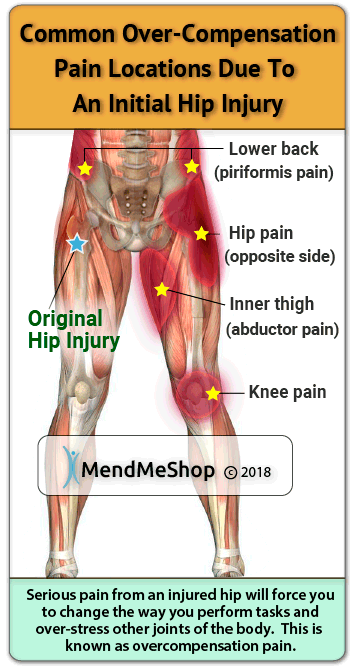
Everything in the human body is connected. An IT Band injury can lead to other injuries over time if not treated properly. For example, the knee of your opposite leg may start hurting due to increased strain on it while you are trying to walk. On-going pain in this area could potentially result in long term (chronic) knee pain.
You may also over-strain your hip or lower back on the opposite, healthy side because you will automatically put more weight on your non-injured side to cope with everyday activities. When you experience pain on the opposite side of your body, this is something called "over compensation" pain.
Over time you may also change the way that you walk when your hip is hurting. If you change the way that you walk, how you get in and out of a car or even the way you climb a flight of stairs you may irritate your lower back. Usually a hip injury will happen on the dominant side (if you are right handed, this would be your right hip). When this happens there is a higher risk that you will over-strain your weaker side that is compensating for your injury.
On-going injury, chronic conditions and over compensation pain are all reasons why it is important that you remain proactive in your recovery. This is why it's also critical to completely heal your hip before returning to activity. If you don't focus on healing your injury quickly and completely you run the risk of interrupting your lifestyle in a major way.
To Stop Re-Injury & Reduce the Risk of a More Serious Overcompensation Injury, You Need to Heal Quickly & Completely!
Anyone in need of rapid recovery and complete healing must consider a comprehensive treatment plan that includes an effective means to minimize swelling and inflammation yet also stimulate healing and tissue elasticity. We have found no better set of tools that can be used at home than this:
Conservative Treatment Tools Our Clients Have Used to Help Limit Damage & Boost The Body's Soft Tissue Repair Process to the Hip at Home:
- A Cold Compress or Ice Pack to reduce inflammation wherever there is pain and/or swelling (as soon as possible).
- A Back/Hip TShellz Wrap® to increase blood-flow to the treatment area (a Localized Enhanced Circulatory Response® Treatment).
- MendMeShop Arnica Pain Cream for temporary relief of pain due to sore muscles and joints.
- A High Quality Back Pillow and/or Knee Pillow for comfort while sleeping or sitting
- An Exercise & Stretching Plan to prevent muscle atrophy and shortened tendons in the Hip joint. A proper plan will increase elasticity and strengthen the muscles and tendons in the hip, knee, and ankle.
Conservative treatment tools just like these have been used successfully by thousands of hip injury sufferers - just like you.
TShellz Wrap® = Enhanced Blood Flow in the Treatment Area
We believe the use of TShellz Wraps® for boosting blood flow to soft tissue in the area of application is one of the most under-utilized home treatment options available on the market today. We have client after client that have tried many options out there and have been amazed at how effective and fast the TShellz Wrap treatment can relieve pain and increase blood flow in the hip.
With regular use of the Back/Hip TShellz Wrap:
- Your pain due to soft tissue strain will be reduced*.
- Due to increased blood flow, soft tissue in the treatment area on the hip will be expected to recover at an accelerated rate. Increased extensibility of soft tissue due to the heat application will also help reduce the risk of worsening the injury while mobile*.
- Tissue in the treated area should experience a larger range of motion and increased extensibility of collagen tissue* due to the heat effect on soft tissue. This should translate into a reduced rate of re-injury occurrence as soft tissue is known to lengthen and become more flexible when exposed to warm temperature. (*Chapter 9 of "Therapeutic Heat and Cold", 4th edition.
(amazon.com link - Ed. Justus F. Lehmann, M.D., Williams, and Wilkin)
Key Points To Keep in Mind When Treating Your Hip Injury
Make Sure That Complete Healing is Your #1 Goal
We all know that if the injury was healed, the pain would go away but what about the opposite situation? If the pain is gone, does that mean the injury is better? Unfortunately, this is not always true.
Too many people only focus on suppressing pain symptoms while providing less attention to the true healing aspects of the body. Experiencing less pain, while obviously a good short-term goal, never equates to underlying healing. Scar tissue can remain for months after one gets to a point of being relatively pain-free. However, as long the weak and brittle scar tissue remains, you are susceptible to re-injury or re-aggravation. Certain motions or movements can cause the weaker tissue to easily tear - resulting in some reversal of the recovery up until that point.
This is why we recommend for people to continue with their doctor or therapist recommended exercises and to continue with mild treatments of the TShellz Wrap® for a period of time - to better ensure complete healing.
Ongoing treatments to enhance circulation will soothe, relax and help promote a healthy recovery of your damaged hip muscles and tendons. Back/Hip T•Shellz treatments will also allow your soft tissue to extend further due to the deep warming sensation created by the enhanced circulation to the treatment area. The more extensible your tissues are, the less likely they are to strain or sprain.
The Back/Hip TShellz Wrap® is intended to be highly effective medical device for people suffering from sciatica, bursitis or other soft tissue hip & back injuries - such as a tear in your muscle, tendon or other soft tissue, strain, Tendonitis, tendinopathy, tendinosis, impingements, instability and pain associated with trigger points.
Many people who contact us about hip pain are unsure about the true causes of their discomfort. It is an amazing statistic and really goes to show how important it is to get a proper diagnosis from your physician. To really deal with a injury, you have to know the injury is - so get to the doctor and find out.
Resting Your Hip Will Help, But Only Temporarily
People tell us all the time, "I was told that if I stay off my feet for a few weeks, my hip pain will disappear for good." The truth is, hip pain is usually a culmination of numerous factors, which often include repetitive stress, high load issues due to excess weight, and/or overcompensation issues resulting from other muscle and soft tissue ailments.
It may take weeks or months for these hip pain triggers to surface, but when they do, merely resting will not solve the underlying issues. You need to utilize options that actually treat the source of the pain and help reverse the damage that has been done.
Resting has a role to play, but it is only one small factor in a recovery plan.
Identify What is Causing Your Hip Problem & Fix It
Otherwise, It May Come Back
In order to provide long lasting relief from your hip pain, you need to identify all the factors that are contributing to it. These factors can include muscle imbalances, short leg syndrome, herniated discs, trauma and tightness to surrounding muscle and soft tissue, etc. The list is certainly significant and it can be frustrating for people who may have no idea where to begin. This is one of many reasons why you should always get to a physician and, in some cases, a specialist to identify the source of your problem.
We Receive Calls All The Time From Customers Who Simply Want To Thank Us For Introducing Them To Our Amazing Products!
Let me tell you, we appreciate all the feedback we have received over the years. We have had many medical professionals, athletes and everyday people call and write to tell us about their positive experiences with our devices and the company in general. It never gets old hearing about the successes and it provides us with the motivation to continue doing what we do best - provide individuals with options to heal from the comfort of their own home.
Below is a small sample of some of the Customer Service comments we have received from customers...
The Best Service by Far!
The service from the Mend Me Shop is by far the best you could ever hope for. I have spoken to Paul on numerous occasions and his knowledge is very much appreciated.
Do not hesitate to order from this company. Their products are made well and work. Their customer service is the best you could ever hope for.
Charlie, North Carolina, USA
I have called the office and received helpful guidance. Really appreciate the help and so glad I found your products!
D. McBride, USA
Thank you, too, for the personal attention to your customers. A rarity, in today's world!
L. Anderson, USA
You guys are tremendous. I was overwhelmed by your speed and thoroughness regarding my problem.
T. Kienlen, USA
Thanks again for your wonderful products and support.
J. Sese, USA
The fact that you guys are there for us every step of the way matters as well. Your company is wonderful and that's a rarity these days.
M. Callahan, USA
The cost seemed minimal compared to what I had already spent at the doctor and physical therapist.
P. King, USA
Thank You so much superior service as well as unprecedented guarantee.
D. Hunzicker, USA
If you're tired of being told that resting, drugs and surgery are the only answers to your soft tissue injury.... Be optimistic, because there are effective alternatives for you.
The Reasons For Our High Success Rate - Our Customers!
We will never claim our products will work for everyone. That is simply impossible to achieve. Everyone has a different capacity for recovery and different circumstances behind their injuries and/or conditions.
In addition, some people may have a hard time sticking with recommended protocol in order to achieve benefits from our devices. Quite simply, our clients that have had successful outcomes have made a small effort to invest 60 minutes a day into the program. If you do the same, chances are you will be very happy with the outcome. The fact that our very low return rate speaks volumes as to the confidence we have that our products will be effective for you! I mean with a full 60 day money back guarantee on our wraps, there really is no risk in trying.
Right after you place an order, email us and we will have a plan developed immediately so you will be able to get started upon arrival of your parcel. We can't promise you miraculous results, however, we do promise to do everything we can to help you with your condition.
Everything you have read up to now has hopefully given you some hope.
However, words are meaningless unless a company stands strongly behind the products they sell. This is what sets us apart from others...we offer people a comprehensive, 60 day, full 100% money back guarantee. We take on all of the risk because we know our products work well for the overwhelming majority of people who purchase them.
We Will Support You Every Step of the Way
You are never alone when making a purchase from us. When we say we stand behind our products, we truly mean it!
If any question or concern arises, simply send us an email at any time (we check our emails constantly all throughout the day and night - even on holidays!). We will respond as soon as possible.
Click HERE to Go To Our Online Store We take all major credit cards and Paypal. If you are on your mobile phone, Click to Call Our Office (toll free continental NA). Simply call toll free
1-866-237-9608 to place an order with one of our knowledgeable Product Advisers. They have the ability to answer all your questions...ensuring you only receive the products you need.
Product Advisors are available 9:00 am to 5:00 pm Eastern Standard Time Monday to Friday. North America Toll Free
1-866-237-9608
Outside North America
+1-705-532-1671
We Stand Behind All Our Promises With An Iron-Clad Guarantee
- Guarantee #1 - Use your products diligently for up to 60 days and you will experience a significant reduction in pain. If not, I encourage you to call us to send back the items for a 100% refund.
- Guarantee #2 - You will not be left in the dark after purchasing any product form us. AidMyBursa Advisers and Product Specialists are available Mon - Fri by toll free phone 1.866.237.9608 or email to answer your questions or concerns.
- Guarantee #3 - Your order is guaranteed to be shipped within 24 hours on every business day.
- Guarantee #4 - All purchases receive a one year, full replacement warranty with guaranteed, prompt service.
- Guarantee #5 - You could save hundreds of dollars and possibly more, by utilizing our products, and getting back to work sooner.
We Can Get You Started For Less Than The Cost Of A Few PT Treatments
Overall, we are able to be cost effective and value oriented due to two major reasons:
- Word is spreading and as a result, our sales are increasing. With this increase, we can achieve economies of scale...meaning we receive the best component pricing because our volume is high.
- We keep our overhead costs low by selling only on-line versus setting up costly distribution channels offline.
Think about it – you can now have the ability to treat your pain from the comfort of your own home while saving money in the process. Best of all, you are fully protected when making a purchase from us as we offer a 60 day, full money back guarantee.
The Next Step Is Up To You!
Living with pain is never easy as it affects your entire lifestyle. Nothing is more important than making the proper decision when it comes to treating your muscle injury. Most methods only mask the problems or provide temporary relief; they do not treat the pain at its source.
AidMyBursa stands out in this regard as our goal is to help you heal for the longer-term.
The bottom line is, you are welcome to try our products for a full 2 months. If you do not receive the benefits that others have experienced, call us to intiate a return
and we will issue a prompt & full refund. There will be no hard feelings.
Are You Now Ready to Properly Deal With Your Bursitis? Let's Make It Happen...
The fastest option you have to get our product into your hands as soon as possible is by placing your order online..
The fastest option you have to get our product into your hands as soon as possible is by placing your order online - at this very moment..
Place your order on-line through our ultra-secure
website by clicking the image below:
Or, Call Our Office. We are open Monday to Friday to allow you place an order over the phone. Simply call toll free 1-866-237-9608 to place an order with one of our knowledgeable Product Advisors. They have the ability to answer all your questions...ensuring you only receive the products you need.
North America Toll Free 1-866-237-9608
Outside North America +1-705-532-1671
If you choose to order through our online shop, know that we keep no credit card data on file. Once the transaction is completed, the credit information disappears from our internal systems.
As you can see, ordering from us is a very easy and safe process, no matter if choosing to order on-line or over the phone.
Are you still unsure about placing an order? let me address some questions that may causing some hesitation...
What is the success rate of the Achilles TShellz Wraps®? Do they really work?
We try and keep in touch with a large percentage of our customers, and we encourage them to do the same. In doing so, we have received a lot of feedback as we have been in the business since 2008.
We can say that the return rate on our products is only around 5 to 10% any given month. That is exceptional by anyone's standards.
Therefore, we can safely indicate that the overwhelming majority of people who purchase from us do achieve benefits with our products.
How much time do I need to dedicate for treatments? Are the products easy to use?
The TShellz Wraps® are very easy devices to use. After one or two uses, you will engage in the treatments with ease. Very detailed instructions are included and you are always welcome to contact us by phone or email if the need for help arises.
In regards to the TShellz Wrap®, it is ideal to use the device two or three times a day on average. Each treatment session is a maximum of 20 minutes in duration and the device will turn off automatically at that time. Typically, people use the TShellz Wrap® before bed, upon awakening (or not long after) and one other time during the day when the opportunity presents itself. For people in an office setting, many will use the device at work (as it can be worn over clothing). For others, they will use the device an our or two after work.
A Cold Compress or Ice Pack is primarily used following activity that stresses the injured tissues (following work, after a sports activity, or just suffering a general re-injury). This is done to reduce inflammation and to minimize tissue damage. Treatments are 15 to 20 minutes in duration.
How long has MendMeShop been in business
We established our firm in December of 2005. Our track record in this field continues to grow and we plan on being around for many decades to come.
What is your return policy? Is it the standard 30 days?
We go above and beyond what other companies offer - we offer a full 60 day money back guarantee with no restocking fees.
Call one of our AidMyBursa Advisers at no cost or obligation to address any lingering questions you have about using heat or cold for your hip injury - toll free 1-866-237-9608
Product Advisors are available 9:00 am to 5:00 pm Eastern Standard Time Monday to Friday.
Learn More About Bursitis Injuries & TreatmentsI want to learn more about Post-Surgery Recovery I want to learn more about TShellz Wrap® Circulatory Boost I want to learn more about Ice & Heat: Which Is Better For Treatment? I want to learn more about Bursitis Treatments I want to learn more about Bursitis Surgery
FREE SHIPPING ON ALL PRODUCTS CURRENTLY ENABLED
60 DAY TRIAL PERIOD
During your recovery, you will probably have to modify and/or eliminate any activities that cause pain or discomfort at the location of your soft tissue injury until the pain and inflammation settle. The more diligent you are with your treatment and rehabilitation, the faster you will see successful results!
|